Guides · Flagler Beach, Florida
Flagler Beach Weather: A Season-by-Season Guide
Flagler Beach’s weather is less a forecast than a cadence. It sets the tempo for a town that chose six miles of orange sand over the high-rise rush of its neighbours.
The Orange Sand Calendar: How Coquina Weathers the Year
The sand here is not the pale, postcard white you expect from Florida. It is orange, crushed coquina shell, and it changes with the sky. On a grey winter morning it dulls to a muted rust; under a July sun it glows like a fired brick. Storms comb it, tides reload it, the wind re-sorts it grain by grain. That single fishing pier—the only interruption in six miles of sand—does not just stand against the waves. It is a weathervane. When the surf kicks up, you see it from the pier; when the sea is flat, you see it from the shore. The beach was built for this kind of noticing, not for spectacle.
Winter in Flagler Beach: Mild Days and Quiet Beaches
Winter is when Flagler Beach exhales. The median age here is 58.8 years, and the season suits that pace. Days are mild, often in the 60s and 70s, with low humidity and a sun that warms but rarely punishes. Of the town’s 3,538 housing units, 795 are held for seasonal or recreational use, and many of those fill with visitors who come for exactly this—a slower, softer Florida. The beach is uncrowded, the pier less walked, the rhythm unhurried. That is precisely the point. This is not a place that needs to impress you in January. It simply lets you be.
Spring in Flagler Beach: Mild Weather and First Friday Events
Spring is when the town wakes up. Humidity is still manageable, the breeze off the Atlantic keeps things comfortable, and the light returns in a way that makes the orange sand almost luminous. This is the season that sets the stage for the monthly First Friday gathering at Veterans Park on South 2nd Street, from 6pm to 9pm. Free music, local vendors, the beach a block away. Spring evenings are the ideal version of this event—warm enough for short sleeves, cool enough to walk the pier after. The wind picks up in April and May, but it is a dry wind, a cleaning wind, and it keeps the air from turning heavy.
Summer in Flagler Beach: Heat, Afternoon Storms, and Pier Shelter
Summer brings the heat and the storms. Mornings are hot and still; by mid-afternoon, the sky often stacks up into towering cumulus, and the rain comes down hard and brief. Locals know the drill: watch the clouds, wait twenty minutes, head back out. The pier is the only shelter along six miles of open sand, and it serves a dual purpose—it is both the town’s anchor and its best weather-watching spot. When the squalls roll in, you can stand under the pier’s cover and watch the rain walk across the water. Humidity sits high, but the sea breeze is constant, and the water is warm enough to make the afternoon thunderstorm feel less like an interruption than a schedule.
Fall in Flagler Beach: Warm Water and Fewer Crowds
Fall is the reward. The heat breaks, the humidity drops, and the crowds thin out as the seasonal units begin their turnover. This is the season for those who know the town best—the water is still warm from summer, the sun is gentler, and the beach feels like it belongs to the people who stayed. Afternoon storms become less frequent, and the light turns golden earlier in the day, casting the coquina sand in a warm, almost amber glow. The pace slows again, a second quiet season before the winter visitors arrive.
What to Pack for Flagler Beach: A Seasonal Checklist
If you want the mildest weather, aim for late spring or early fall—April, May, September, and October tend to offer the best balance of warmth, low humidity, and fewer storms. Winter requires layers: a light jacket for evenings, long pants for the pier, sunscreen even on cool days. Summer is about hydration, a hat, and quick-dry clothing; the afternoon rain is a given, so pack something that dries fast and doesn’t mind salt. In any season, bring shoes for the sand—the crushed coquina can be sharp underfoot, and flip-flops only take you so far.
Flagler Beach Weather at a Glance
| Season | What to Expect |
|---|---|
| Winter | Mild days, cool evenings, low humidity, uncrowded beach, seasonal residents in residence |
| Spring | Warming temps, dry breeze, comfortable evenings, ideal for outdoor events like First Friday |
| Summer | Hot, humid mornings; brief intense afternoon thunderstorms; warm water; pier as shelter |
| Fall | Cooling temperatures, lower humidity, fewer crowds, warm water, golden light on the sand |
The weather here is not something to endure; it is something to read. The orange sand tells you the season, the pier tells you the sea, and the town tells you to slow down. Flagler Beach was incorporated on 16 April 1925, named for the railroad magnate who turned Florida’s east coast into a resort—but it never followed that path all the way. It stayed low, stayed slow, and let the weather set the pace. That is the deal: come for the sand, stay for the rhythm, and bring a rain jacket just in case.
Common questions
- When is the best time to visit Flagler Beach?
- There is no single best time—it depends on what you want. Winters are mild and quiet, with fewer people. Summers are hot and busy. Spring and fall offer comfortable temperatures and smaller crowds. The town stays low-rise and relaxed year-round.
- What makes the sand orange in Flagler Beach?
- The sand is orange because it's made of crushed coquina shell, a mix of shell and coral. This gives six miles of beach a color you won't see anywhere else in Florida. The fishing pier is the only interruption in that stretch.
- Is Flagler Beach crowded like other Florida beaches?
- No, Flagler Beach is deliberately undeveloped compared to its neighbors. It has a low-rise, unincorporated feel, and the population is only about 5,250 people. Even in peak season, it's not a high-rise resort scene—just a laid-back beach town.
- What is there to do in Flagler Beach besides the beach?
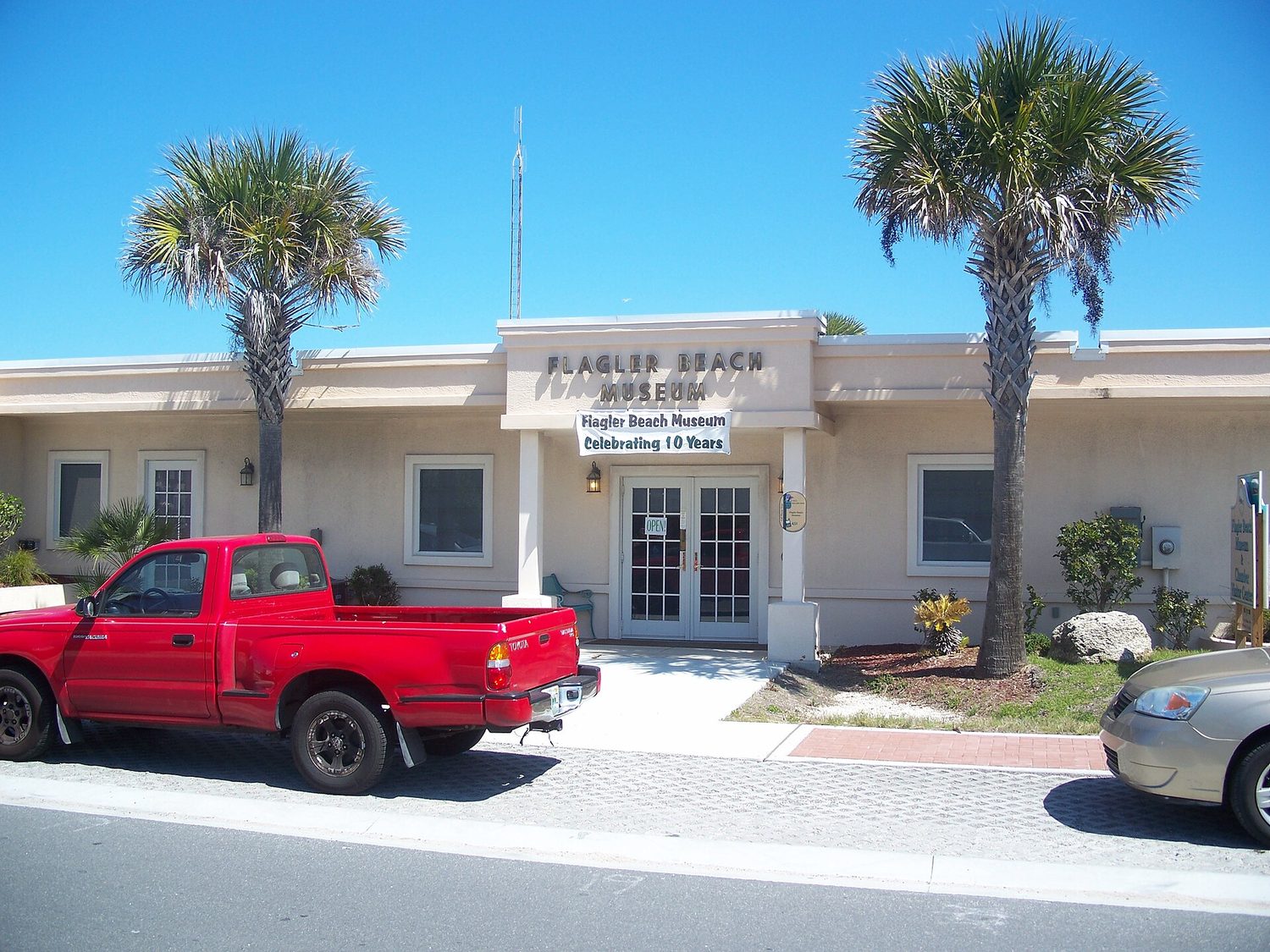
- You can visit the Flagler Beach Historical Museum, walk or fish off the pier, and check out the monthly First Friday event at Veterans Park from 6pm to 9pm with music and local vendors. The beach is always a block away.
- Is Flagler Beach a good place to live or just visit?
- Many homes are for seasonal use—795 of 3,538 housing units—so it's a mix. The median age is 58.8, and unemployment is low at 2.9%. Median home value is $496,800, and median gross rent is $1,581. It's a quiet, older community.
- How far is Flagler Beach from other towns for day trips?
- Palm Coast is 9 miles away, Sanford is 48, Oviedo is 56, and Mount Dora is 57. Each has events like the Creekside Music & Arts Festival or Sanford Porchfest. But Flagler Beach itself is the main draw—six miles of orange sand.
Every business named above is one we hold a listing for, and every date traces to a source on our sources page. We do not describe menus, interiors or service we have not verified. Details change — confirm before you travel.