Guides · Flagler Beach, Florida
The Best Time of Year to Visit Flagler Beach
The town’s calendar is less about what happens here than about what does not.
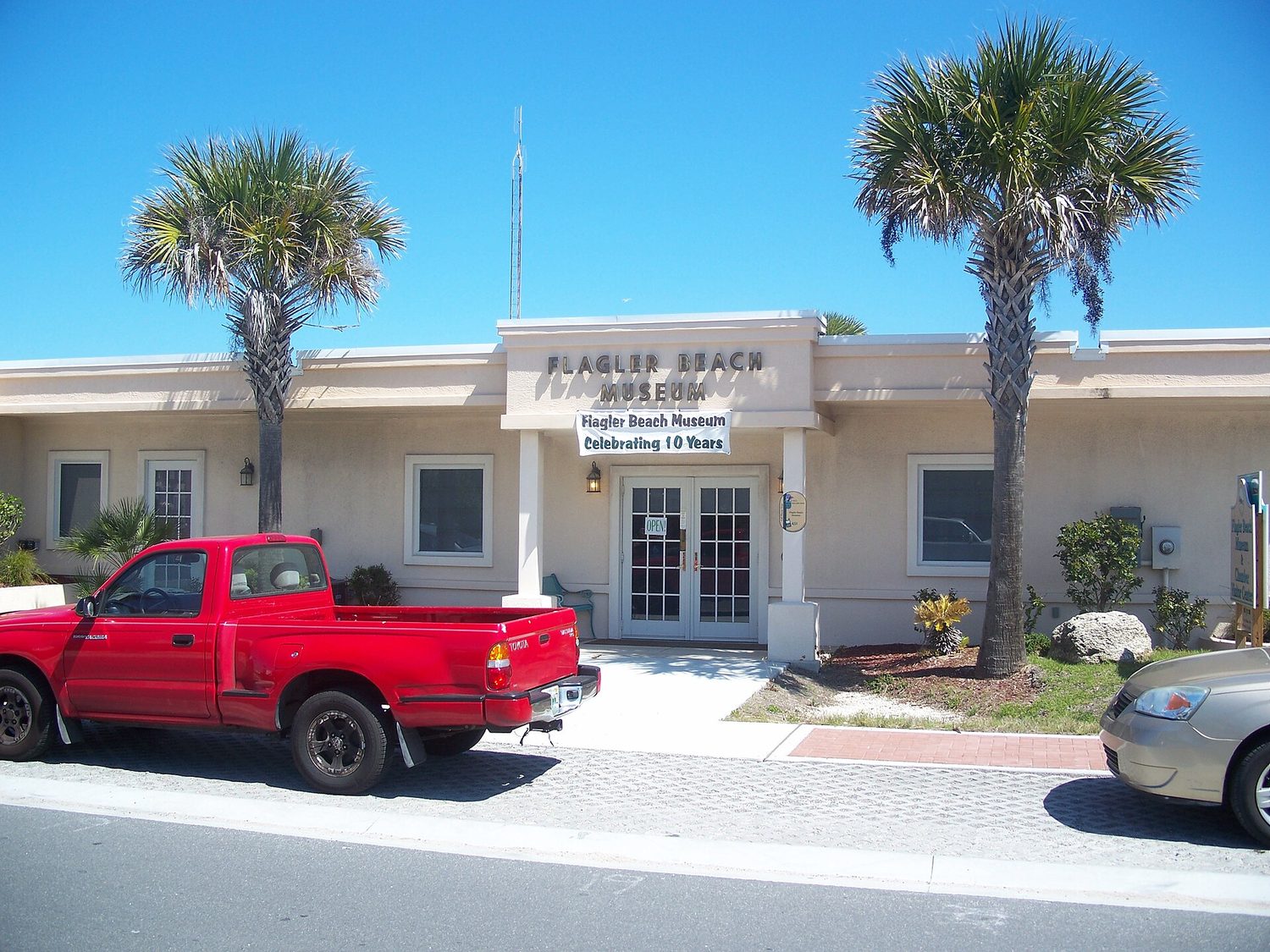
There is no wrong month in Flagler Beach, only different kinds of quiet. The town incorporated on 16 April 1925, named for the oil and railroad magnate who turned Florida’s east coast into a resort. But this stretch never followed the script. Six miles of coquina-orange sand, broken once by a fishing pier, remain low-rise and deliberately undeveloped. The neighbours built up. Flagler Beach did not.
That character is the real seasonal variable. The weather matters, sure. But what you are really choosing is which version of a deliberately small town you want.
The winter months: the town for itself
From after the holidays through early spring, Flagler Beach belongs to its residents. The median age here is 58.8 years, and the pace reflects it. The pier gets its regulars. The sand gets its walkers. The town gets a little more room to breathe.
This is the season for people who want to see the place without performing for it. The orange sand is still orange. The surf still moves. But you will share the horizon with fewer people, and the town’s low-rise stubbornness feels most honest when there is no crowd to justify it.
Winter is also when the housing numbers tell their story. Of the town’s 3,538 total housing units, 1,019 sit vacant. That is not abandonment. That is the shape of a seasonal economy that never bothered to dress itself up as something bigger. You will feel that in the winter—streets that are not empty, but unhurried.
Spring: the slow warm-up
Spring is the compromise season. The cold has loosened. The summer crowds have not arrived. The fishing pier, the only interruption in six miles of sand, starts to see more rods in the water.
This is the time for the visitor who wants mild weather and a town that is still recognisably itself. The Flagler Beach Historical Museum is open, and it is worth a slow hour to understand why this town resisted what its neighbours did. The museum does not need a season. But spring makes the walk to it easier.
The numbers suggest a town that is comfortable with this rhythm. Median household income sits at $81,193. The unemployment rate is 2.9 percent. This is not a place scrambling for tourist dollars. It is a place that will take them, politely, when they arrive.
Summer: the honest crowd
Summer is when Flagler Beach gets busy. Not Miami busy. Not even Daytona busy. But the pier will have company, and the beach will have families, and the town will feel like a beach town is supposed to feel in July.
This is also the season when the seasonal housing stock shows its hand. Of the 3,538 housing units, 795 are held for seasonal or recreational use. That is roughly one in five homes sitting empty for most of the year, waiting for the warm months. In summer, those homes fill, and the town’s population swells beyond its 5,250 permanent residents.
The trade-off is straightforward. You get the full beach experience—the orange sand under a serious sun, the pier crowded with lines, the town at its liveliest. You also get the crowds that the town was built to avoid. The median home value here is $496,800, and the median gross rent is $1,581. Summer is when those numbers feel most like a bargain, and also most like a compromise.
Autumn: the return
After Labor Day, Flagler Beach exhales. The seasonal homes empty out. The pier gets quiet again. The town returns to its default setting: low, slow, and unbothered.
Autumn is the best season for a specific kind of visitor—the one who wants to say they have been to a Florida beach town, not a Florida beach resort. The water is still warm enough. The sun is still generous. But the town has stopped performing.
This is when the 35.5 percent of residents with a bachelor’s degree or higher are most visible, not because they are doing anything, but because the town’s intellectual life—its museum, its conversations, its quiet civic pride—has room to surface again. The summer people have gone home. The town is left with itself.
The verdict
If you want the town at its most honest, come in late autumn or winter. That is when Flagler Beach is most clearly itself—a place that incorporated in 1925, took the name of a railroad man, and then spent a century declining to become what he built the coast to be.
If you want the beach, come in summer. The sand will be crowded, but it will still be orange, and the pier will still be the only break in six miles of it.
If you want the compromise, come in spring. The town is awake, the weather is kind, and the crowds have not yet arrived.
There is no bad time. There is only the question of whether you want to visit the town or visit the beach. They are not the same thing here. That is the point.
Every business named above is one we hold a listing for, and every date traces to a source on our sources page. We do not describe menus, interiors or service we have not verified. Details change — confirm before you travel.