Guides · Flagler Beach, Florida
Flagler Beach by the Numbers: What the Census Says
The census sees Flagler Beach as 5,250 people and 3,538 housing units; the town sees itself as six miles of orange sand, and the numbers mostly agree.
The Shape of the Place
Flagler Beach was incorporated on 16 April 1925, named for Henry Flagler, the oil and railroad magnate who did more than anyone to turn Florida's east coast into a resort. A century later, the town has resisted what its neighbours did. It is low-rise, unincorporated in feel, and deliberately undeveloped. The census numbers back that up.
Of the 3,538 housing units in town, 1,019 sit vacant. That is not a sign of decline. It is the arithmetic of a beach town that refuses to become a year-round suburb. Another 795 units are held for seasonal or recreational use. Add those to the vacant stock, and more than half of the town’s housing is not occupied by a permanent resident on any given night. Flagler Beach breathes in winter and exhales in summer. The census just counts the breaths.
Who Lives Here
The median age is 58.8 years. That makes Flagler Beach one of the older towns on this coast, and it shows in the pace of things. This is not a place built for the 2 a.m. crowd. It is a place built for slow mornings and early evenings, for people who came here to stop doing whatever they were doing before.
The unemployment rate is 2.9 percent, which is effectively full employment for a town this size. The median household income is $81,193, respectable but not flashy. The median home value is $496,800, which is the real story. You do not move to Flagler Beach to get rich. You move here because you already did, or because you decided you did not need to.
Education levels are solid. 35.5 percent of residents hold a bachelor’s degree or higher. That is not a college town number, but it is not a retirement-only number either. It suggests a mix of working professionals, remote workers, and people who cashed out of somewhere louder.
The Rent Question
The median gross rent is $1,581. For a town of 5,250 people, that is a meaningful figure. It is high enough to keep out the riff-raff, as the old-timers might say. It is also high enough to price out the service workers who keep the town running. That tension is not unique to Flagler Beach, but it is sharper here because the town is so small. Every lost rental unit matters when there are only 3,538 total.
The Sand Is the Point
None of these numbers explain the orange. Crushed coquina shell gives Flagler Beach a colour no other stretch of Florida coast has, across six miles broken by a single fishing pier. The pier is the only interruption in six miles of sand. That is a fact the census does not record, but it is the fact the town is built around.
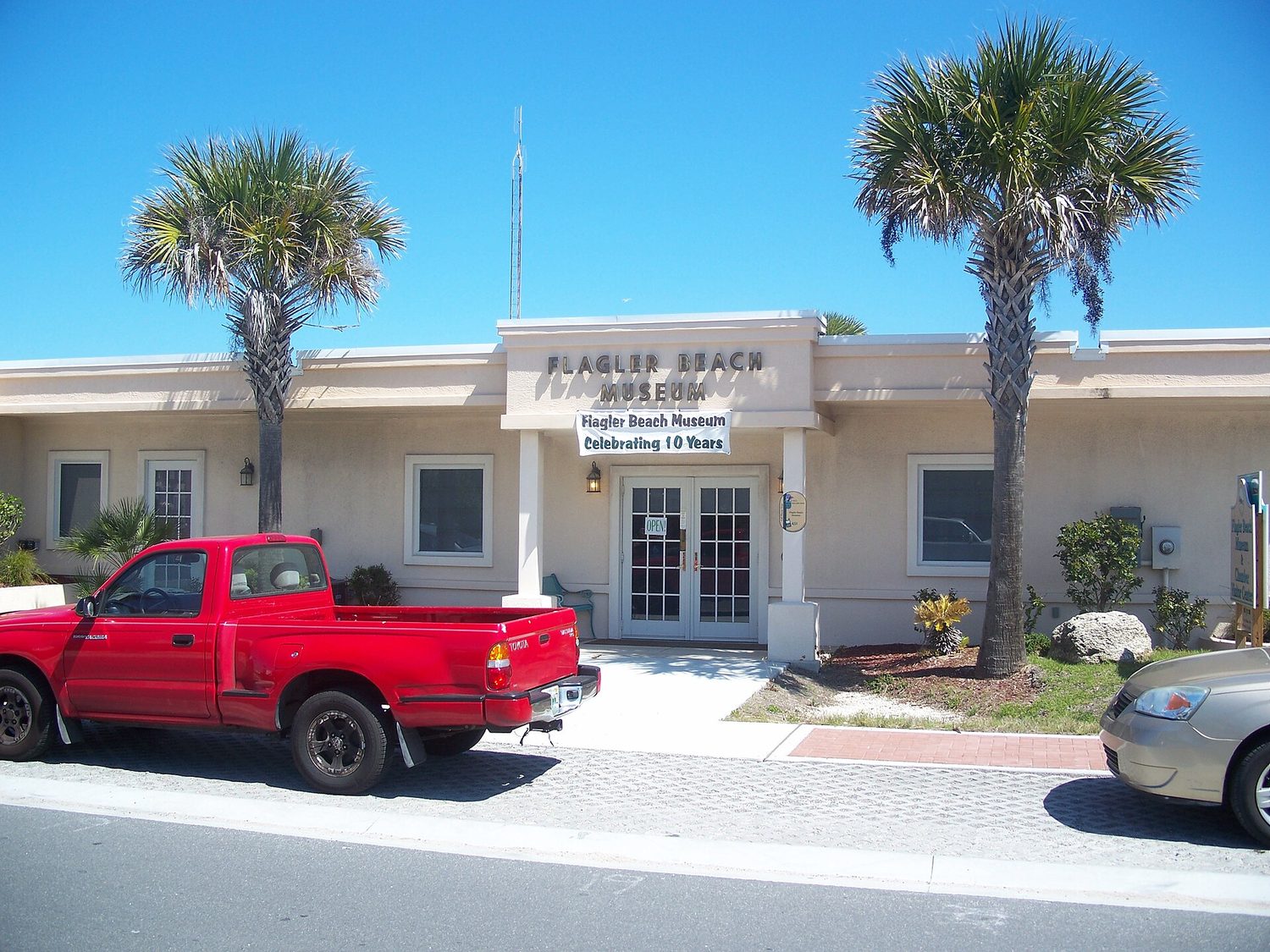
The sand is why the housing stock looks the way it does. The pier is why the town has a centre at all. The historical museum sits near that pier, holding the records of what came before the condos that never got built. The census counts the present. The museum keeps the past. The sand outlasts both.
What the Numbers Do Not Say
The figures tell you how many units, how much rent, how old the residents are. They do not tell you what it sounds like at low tide, or how the light goes flat and gold in the late afternoon. They do not tell you that the town fought off the high-rise developers and won, or that the fight is never really over.
Flagler Beach is 5,250 people who chose a particular kind of Florida. Not the one with the towers and the traffic and the theme parks. The one with the orange sand and the single pier and the empty houses waiting for someone to come back next season. The census says the houses are vacant. The town knows they are just resting.
The median age of 58.8 means the town is aging, and the numbers will change. The housing stock will turn over. The rents will keep climbing or they will not. But the coquina will stay orange, and the pier will stay the only thing breaking the line of the shore. Some things do not need a census to be counted.
Every business named above is one we hold a listing for, and every date traces to a source on our sources page. We do not describe menus, interiors or service we have not verified. Details change — confirm before you travel.