Guides · Flagler Beach, Florida
Flagler Beach: Why the Sand Is Orange and the Skyline Is Low
Six miles of crushed coquina shell give Flagler Beach a shoreline no other Florida town can claim. The low-rise skyline behind it is just as deliberate.
Why Flagler Beach Sand Is Orange (And Not White)
The beach at Flagler Beach is not white, and it is not gold. It is orange. Pulverized coquina shell, washed and ground for centuries, gives the sand a warm, rusted tint you won't find anywhere else on Florida's east coast. No trick of light. No chemical stain. The geology is visible in every handful you pick up. The six-mile strand runs uninterrupted except for one structure: a fishing pier that juts into the Atlantic. That pier is the only break in the line of sand, and the only thing the town has allowed to break it.
How Flagler Beach Kept Its Skyline Low: A Town That Said No
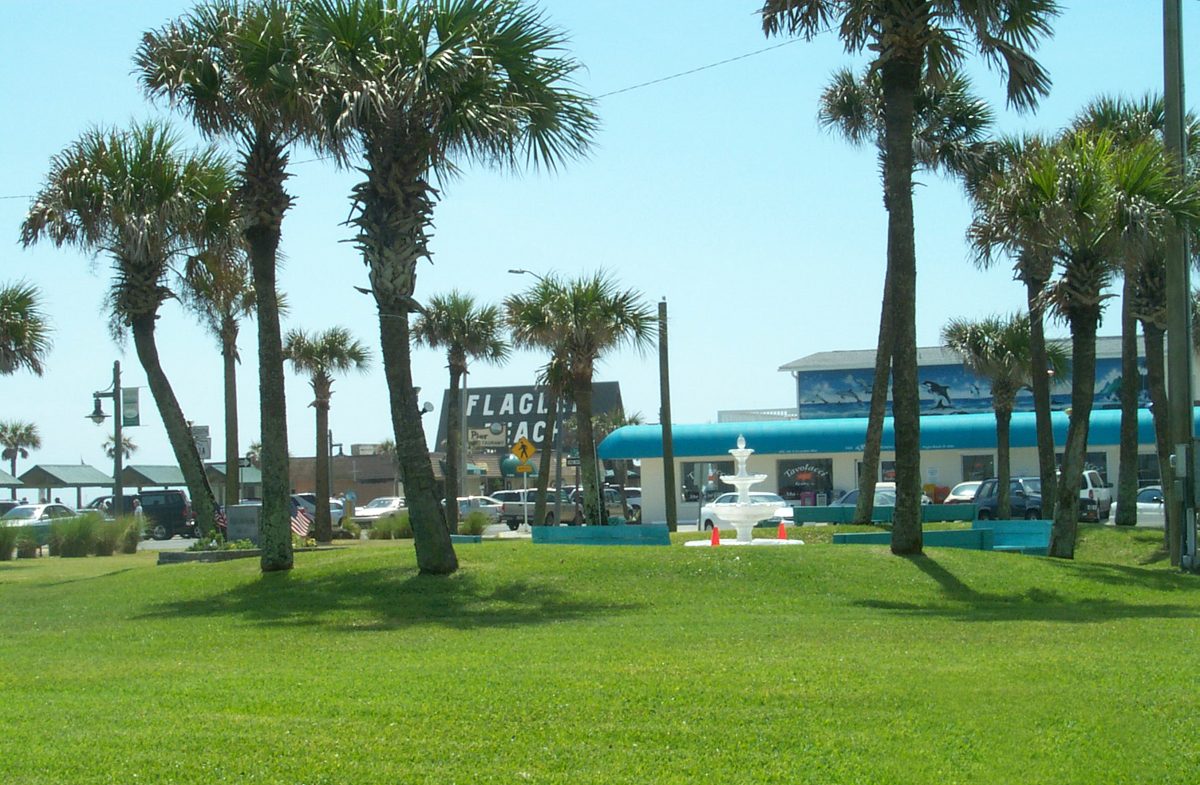
Flagler Beach was incorporated on 16 April 1925, named for Henry Flagler, the oil and railroad magnate who turned Florida's east coast into a resort destination. He built hotels, extended rail lines, invented the template for Florida tourism. His name is on the town. His model is not. Where neighboring beach communities pushed high-rise condominiums and resort towers, Flagler Beach stayed low. Deliberately undeveloped, with an unincorporated feel that is hard to fake and easy to spot. No wall-of-glass buildings shadow the sand. No branded hotel flags line the approach. The skyline is mostly sky. That is the point. A town that took the name of a developer and chose not to follow his blueprint.
Flagler Beach Demographics: Census Data Behind the Quiet
The census data tells the same story as the rooflines. Flagler Beach has 3,538 total housing units; 1,019 of them sit vacant. Not a ghost town—a place where nearly a third of the housing stock is simply unoccupied year-round. Of those units, 795 are held for seasonal or recreational use. The median age here is 58.8 years. The population is 5,250. Median household income: $81,193. Median home value: $496,800. Median gross rent: $1,581. Unemployment sits at 2.9 percent, and 35.5 percent of residents hold a bachelor's degree or higher. These are not the numbers of a transient resort crowd. They are the numbers of people who live here, own here, and stay here. The high vacancy rate is not decline. It is selectivity.
| Measure | Figure |
|---|---|
| Total housing units | 3,538 |
| Homes held for seasonal or recreational use | 795 |
| Bachelor's degree or higher | 35.5 percent |
| Unemployment rate | 2.9 percent |
| Median household income | $81,193 |
| Vacant housing units | 1,019 |
| Median home value | $496,800 |
| Median gross rent | $1,581 |
| Population | 5,250 |
| Median age | 58.8 years |
The Flagler Beach Pier: The Only Break in Six Miles of Sand
The fishing pier is the one thing that interrupts the six miles of orange sand. Not a mall. Not a hotel. Not a boardwalk with chain restaurants. A pier, built for fishing, the only structure of its kind on this stretch of coast. That single interruption is a kind of statement. In other towns, the pier anchors development—souvenir shops, ice cream stands, crowds. Here, it is simply a pier. A place to walk out over the water, cast a line, see the coquina fragments in the shallows at low tide. It does not impose itself on the beach. It coexists with it.
Flagler Beach Community Life: First Fridays and the Historical Museum
Community life in Flagler Beach does not require a convention center or a festival grounds. On the first Friday of every month, from 6pm to 9pm, Veterans Park on South 2nd Street hosts a free gathering with music, local vendors, and the beach one block away. A monthly ritual, not an annual spectacle, and it fits the town's scale. The Flagler Beach Historical Museum does similar work: preserves the town's story without turning it into an attraction. These are places where residents actually show up, not where tourists are herded through. They build identity without building up.
Flagler Beach vs. Neighboring Beach Towns: A Development Contrast
The difference between Flagler Beach and its neighbors is not subtle. Palm Coast, nine miles away, hosts the Creekside Music & Arts Festival. Sanford, 48 miles south, puts on the Porchfest. Oviedo has the Great Day in the Country. Mount Dora, 57 miles away, runs both the Mount Dora Arts Festival and the Mount Dora Craft Fair. Altamonte Springs, 59 miles out, holds Red Hot & Boom. Fine events, all of them, and they draw crowds. But they are the products of towns that chose the festival-and-destination model. Flagler Beach has a beach the color of rust and a pier that is the only interruption in six miles of it. That is the whole offering. It is enough.
The town took Henry Flagler's name in 1925, but it never took his advice. The orange sand is the proof. Not a marketing gimmick. Not a tourist draw. Just what the coast looks like when you let it be what it is. The low buildings, the vacant units, the older residents, the single pier: all add up to the same decision, made over and over, to stay small and stay put. Flagler Beach is not undeveloped because it was overlooked. It is undeveloped because it chose to be.
Common questions
- Why is the sand in Flagler Beach orange?
- Crushed coquina shell gives Flagler Beach its orange sand, a color no other stretch of Florida coast has. It runs across six miles of beach, interrupted only by the fishing pier.
- Is Flagler Beach a big developed resort town?
- No, it's deliberately low-rise and undeveloped compared with its neighbors. It was built as a beach town and still feels unincorporated, with a single fishing pier breaking up six miles of sand.
- What is there to do in Flagler Beach?
- Visit the Flagler Beach Historical Museum, walk the fishing pier, or enjoy the monthly First Friday event at Veterans Park on South 2nd Street, from 6pm to 9pm with music and local vendors.
- How many people live in Flagler Beach?
- About 5,250 people, with a median age of 58.8. It's a quiet, low-rise community. The median home value is $496,800 and median gross rent is $1,581.
- When was Flagler Beach incorporated?
- Flagler Beach was incorporated on 16 April 1925. It's named for Henry Flagler, the railroad magnate who helped turn Florida's east coast into a resort area.
- Is Flagler Beach crowded or touristy?
- Not like its neighbors. It has 3,538 housing units, with 795 used for seasonal or recreational use, and 1,019 vacant. It's a low-key, protective town that resisted high-rise development.
Every business named above is one we hold a listing for, and every date traces to a source on our sources page. We do not describe menus, interiors or service we have not verified. Details change — confirm before you travel.